Beets, with their earthy sweetness and vibrant hue, are not just a colorful addition to salads; they’re a versatile vegetable that can transform dishes and DIY projects alike. Beyond their usual appearances, these nutrient-packed roots offer a myriad of creative possibilities. From delightful recipes to crafty DIY ventures, here are five innovative ways to make the most of beets:
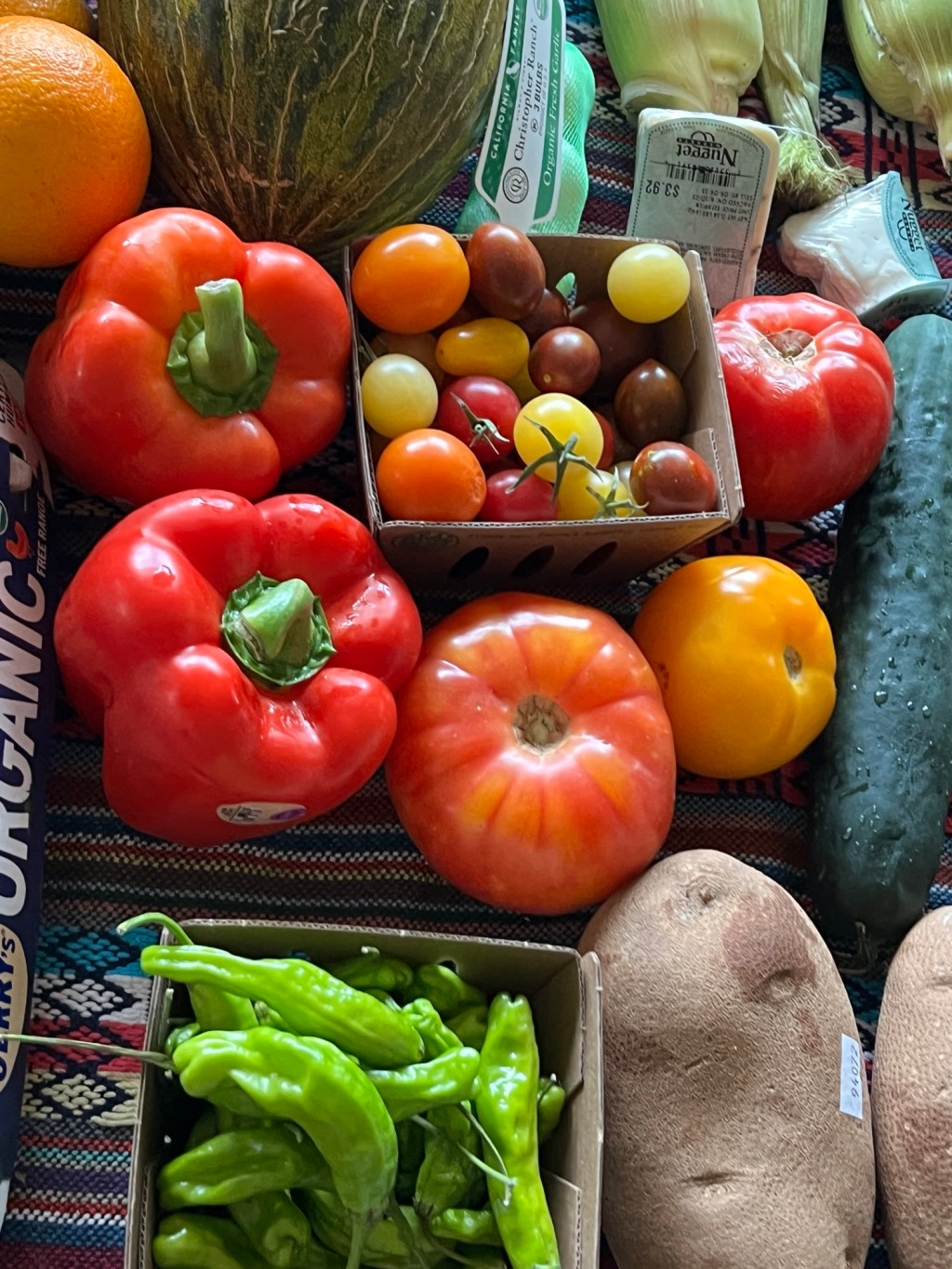
To really save money and be a conscious consumer, one must eat with the seasons and what is available to their specific region. Finding your local farmers market or CSA program can help you not only eat seasonally but also save you money.
When to buy beets?
Beets are available year-round, but they are at their best in June, October, and February. However, you can typically find beets at various farmers markets almost year-round, indicating that they are grown regionally or locally. So, if you’re looking to buy fresh beets, it’s a good idea to check your local farmers market or consider growing your own.
How to prep beetroot?
Beetroot has so many different usages and the prepping methods are endless. I find the easiest method for bulk or normal preparation is a combination of par boiling and roasting. While it takes more time, using the whole beet (instead of peeling and dicing) it results in a juicy sweet interior that is easily eaten whole or blended into a sauce or puree. This method also requires no oil or seasoning and can even be enjoyed alone.
To prep beetroot, you can follow these steps:
- Start by washing the beets thoroughly to remove any dirt or debris.
- Trim off the leaves and stems, leaving about an inch of the stem attached to the beet.
- If the skin of the beet is rough or blemished, you can peel it using a vegetable peeler. However, if the skin is smooth and in good condition, you can leave it on for added texture and nutrients.
- If you prefer to cook the beets whole, you can boil or roast them until they are tender. Boiling typically takes about 30-40 minutes, while roasting can take around 45-60 minutes, depending on the size of the beets. Once cooked, you can easily pierce them with a fork.
- After cooking, allow the beets to cool slightly before handling. You can then slice, dice, or grate them according to your recipe’s requirements.
Remember to handle beets with care, as their vibrant color can stain surfaces and clothing. It’s also a good idea to wear gloves to prevent your hands from getting stained.
How to source beets?
To source the best beets, consider the following tips:
- Local Farmers Markets: Visit your local farmers market to find fresh and locally grown beets. Farmers markets often offer a wide variety of beets, including heirloom varieties.
- Community Supported Agriculture (CSA) Programs: Join a CSA program in your area to receive regular deliveries of fresh produce, including beets. CSA programs connect consumers directly with local farmers.
- Garden or Grow Your Own: If you have access to a garden or even a small outdoor space, consider growing your own beets. This allows you to control the growing conditions and ensure the highest quality.
- Farm-to-Table Restaurants: Some farm-to-table restaurants source their ingredients directly from local farms. Visit these restaurants and inquire about their sources for beets.
- Local Co-ops: Check out local co-ops or natural food stores that prioritize sourcing from local farmers. These establishments often have a dedicated section for locally grown produce.
Remember to choose beets that are firm, with smooth skin and vibrant colors. Avoid beets that are soft, wrinkled, or have blemishes. By sourcing the best beets, you can ensure the freshest and most flavorful ingredients for your recipes.
5 Ways to Use Beets
1. Roasted Beetroot Hummus
This may seem like a given, but it seriously so easy to make and absolutely stunning. Bound to please all five senses. Plus this recipe will save so much money by just simply throwing a can of garbanzo beans in a blender with roasted beets instead of buying fancy hummus typically loaded with unnecessary additives, plastic, and who knows what.
I have learned that even the most organic, natural, healthy, and clean labels can be misleading and you never truly know what a product goes through down the supply chain… thats why making things at home is just better. Not only do things taste better, its also a way to create a more meaningful relationship with your food…especially if you are using what you have and what is locally and seasonally available.
Ingredients
1 Can Garbanzo Beans
1 Beetroot (roasted, steamed, or raw)
2 Garlic cloves
1 Tbsp Garlic
1 Tsp cumin
1 Tbsp Tahini
Salt/pepper
Instructions
- Depending on your taste preferences, you can either roast, steam or use the beets raw. I personally do a par boil (boiling partially) and then roast beets (with skin) on 425 until soft (30-40 minutes). For batch meals, I recommend roasting 2-4 beets at the same time and have them on hand.
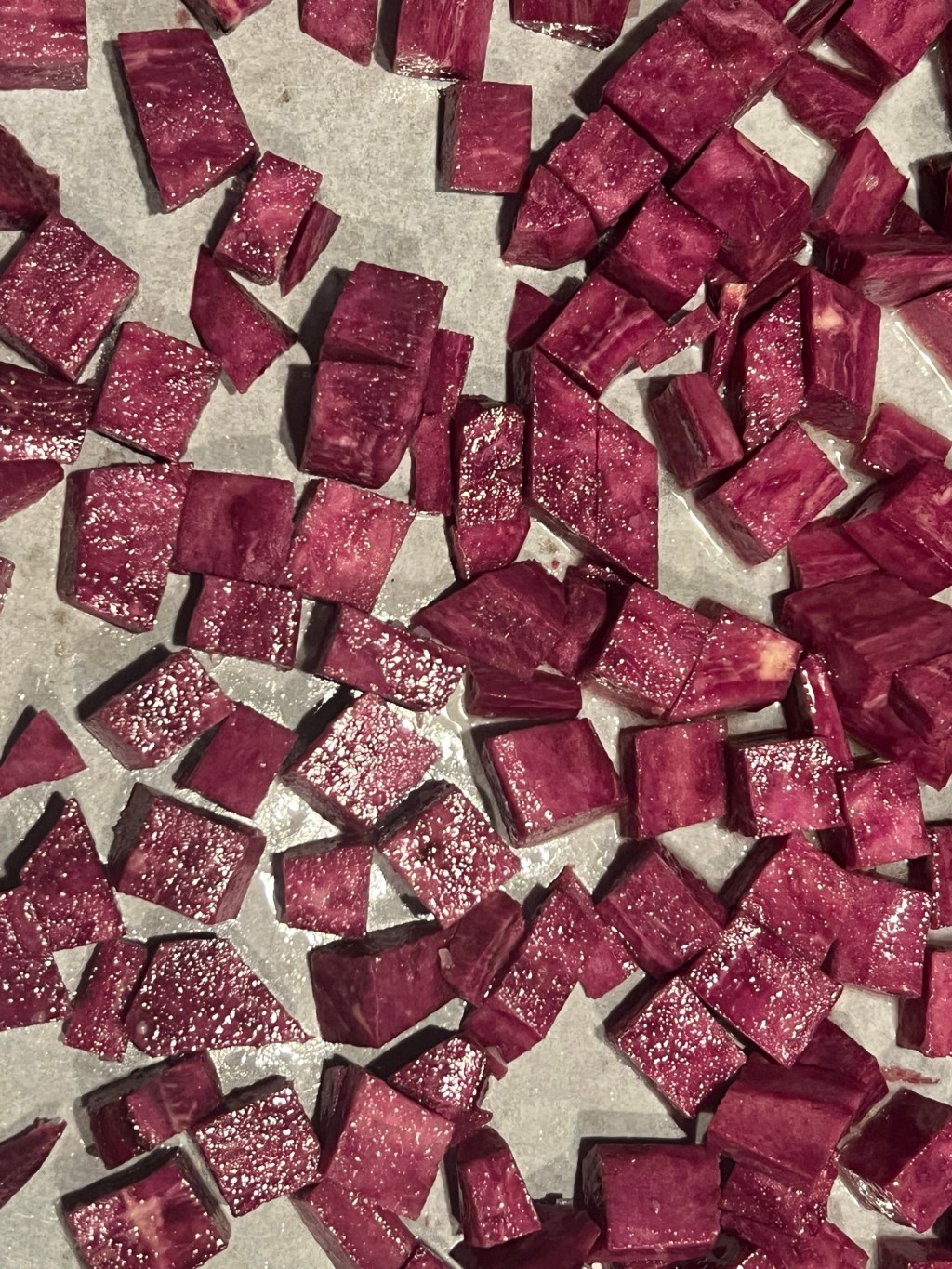
- Alternatively, skin and cube beets and par boil for 10 minutes. Lay cubed beets on a baking tray, season with olive oil, salt and pepper. Roast at 425* for 15-25 minutes.
- Blend chickpeas, garlic, tahini, and seasoning until smooth. Then combine beet and blend.
- Serve fresh or keep in fridge 3-5 days.
2. Beetroot Puree

Beetroot puree is also an amazing sauce or spread to have around. I find it a delicious addition to any sandwich or bread, plus it can be used as a dressing or in a vinaigrette. A great easy to prep ingredient to have on hand for an spark of color and nutrients.
Beetroot is easy to make. You just need a high-powered blender or food processor.
To make beetroot puree, you will need the following ingredients and instructions:
Ingredients:
- 1 Beet (steamed)
Instructions:
- Start by steaming the beet until it is tender. You can do this by placing the beet in a steamer basket over boiling water and covering it with a lid. Steam for about 20-30 minutes or until the beet is easily pierced with a fork.
- Once the beet is steamed, allow it to cool slightly before handling. Then, peel off the skin using your fingers or a peeler.
- Cut the beet into smaller pieces to make it easier to blend.
- Transfer the beet pieces to a high-powered blender or food processor.
- Blend until smooth, scraping down the sides as needed.
- If the puree is too thick, you can add a small amount of water or vegetable broth to thin it out.
3. Beetroot Ginger Vinaigrette
Ingredients
- 1 Beet (steamed)
- 1 Ginger Knob (1/2 inch)
- 2 Garlic Cloves
- 2 TBS Olive Oil
- 1 TBSP Balsamic or any other vinegar
Instructions:
- Start by steaming the beet until it is tender. You can do this by placing the beet in a steamer basket over boiling water and covering it with a lid. Steam for about 20-30 minutes or until the beet is easily pierced with a fork.
- Once the beet is steamed, allow it to cool slightly before handling. Then, peel off the skin using your fingers or a peeler.
- Cut the beet into smaller pieces to make it easier to blend.
- Transfer the beet pieces to a high-powered blender or food processor.
- Blend until smooth, scraping down the sides as needed.
- If the puree is too thick, you can add a small amount of water or vegetable broth to thin it out.
4. Roasted Beet Quinoa Bowl
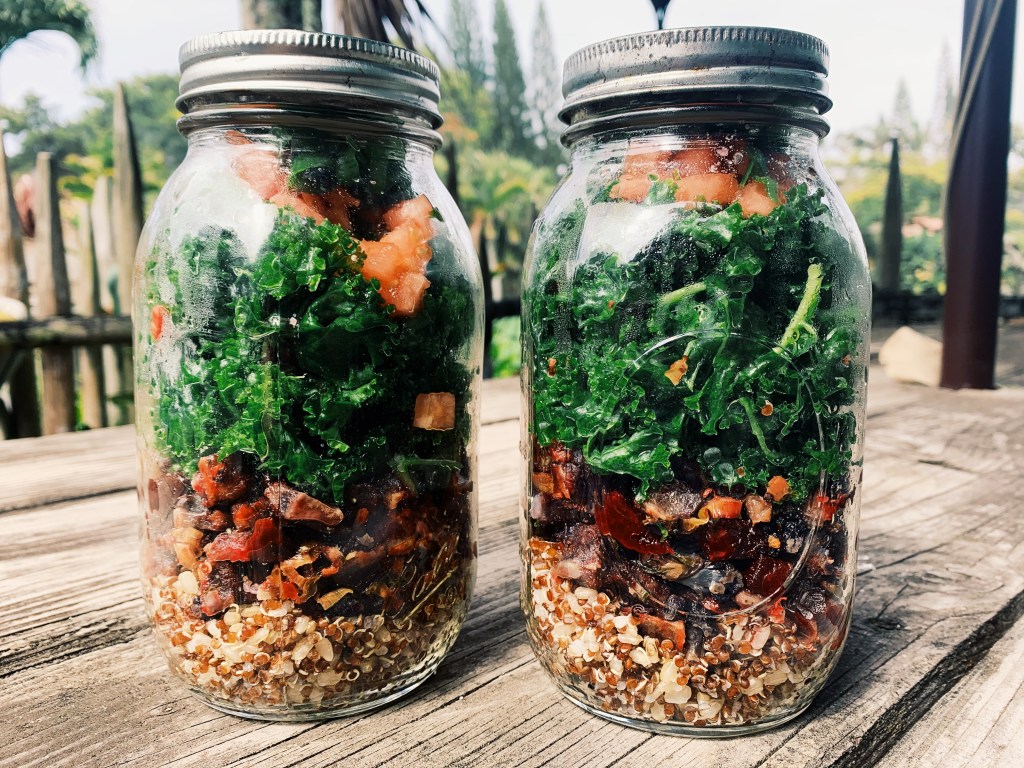
Ingredients:
- 1 cup cooked quinoa
- 1 medium beet, roasted and diced
- 1 cup mixed greens
- 2 tablespoons toasted walnuts
- 1 tablespoon beetroot ginger vinaigrette (see #3)
- 1 tablespoon olive oil
- Salt and pepper to taste
Instructions:
- In a bowl, combine the cooked quinoa, roasted and diced beet, mixed greens, crumbled feta cheese, and toasted walnuts.
- In a small bowl, whisk together the balsamic vinegar, olive oil, salt, and pepper.
- Drizzle the dressing over the quinoa bowl and toss to combine.
- Serve the beet quinoa bowl as a nutritious and colorful meal option.
5. Beetroot Broth
Beetroot broth can be used as a flavorful base for various dishes, adding a rich and earthy taste. Here are a few ideas for using beetroot broth:
- Soups and Stews: Use beetroot broth as a base for vegetable soups or stews, adding depth and color to your recipes.
- Grains and Risotto: Cook grains like rice, quinoa, or barley in beetroot broth instead of water to infuse them with a subtle beet flavor.
- Sauces and Gravies: Incorporate beetroot broth into sauces and gravies for pasta, roasted vegetables, or meat dishes, enhancing their taste and appearance.
- Cooking Legumes: Use beetroot broth to cook legumes like lentils or beans, giving them a vibrant hue and adding a unique taste to your dishes.
- Braising Vegetables: Braise vegetables in beetroot broth to infuse them with flavor while keeping them tender and juicy
Beetroot Broth
Ingredients:
- 2 beets, chopped
- 1 onion, chopped
- 2 carrots, chopped
- 2 celery stalks, chopped
- 4 garlic cloves, minced
- 1 bay leaf
- 1 teaspoon peppercorns
- 8 cups water
Instructions:
- In a large pot, combine the chopped beets, onion, carrots, celery, garlic, bay leaf, and peppercorns.
- Pour in the water and bring to a boil over high heat.
- Once boiling, reduce the heat to low and let the stock simmer for about 1 hour, uncovered.
- After simmering, strain the stock through a fine mesh sieve into a clean container or pot.
- Discard the solids and let the stock cool completely before using or storing.

 5 Ways to Use — Zero Waste Kitchen & Home HUB
Leave a comment