As the seasons change, so do our eating habits and food choices. However, one thing that remains constant is the issue of food waste. In today’s world, where sustainability is becoming increasingly important, finding ways to reduce food waste is essential for both the environment and our wallets. Here are five simple yet effective ways to minimize food waste and embrace a low-waste lifestyle this season.
- Plan Your Meals and Shop Smart:
One of the most effective ways to reduce food waste is by planning your meals ahead of time and creating a shopping list accordingly. Take a few minutes each week to plan out your meals, considering what ingredients you already have on hand and what needs to be used up. By doing so, you can avoid buying unnecessary items and ensure that everything you purchase gets used before it goes bad.
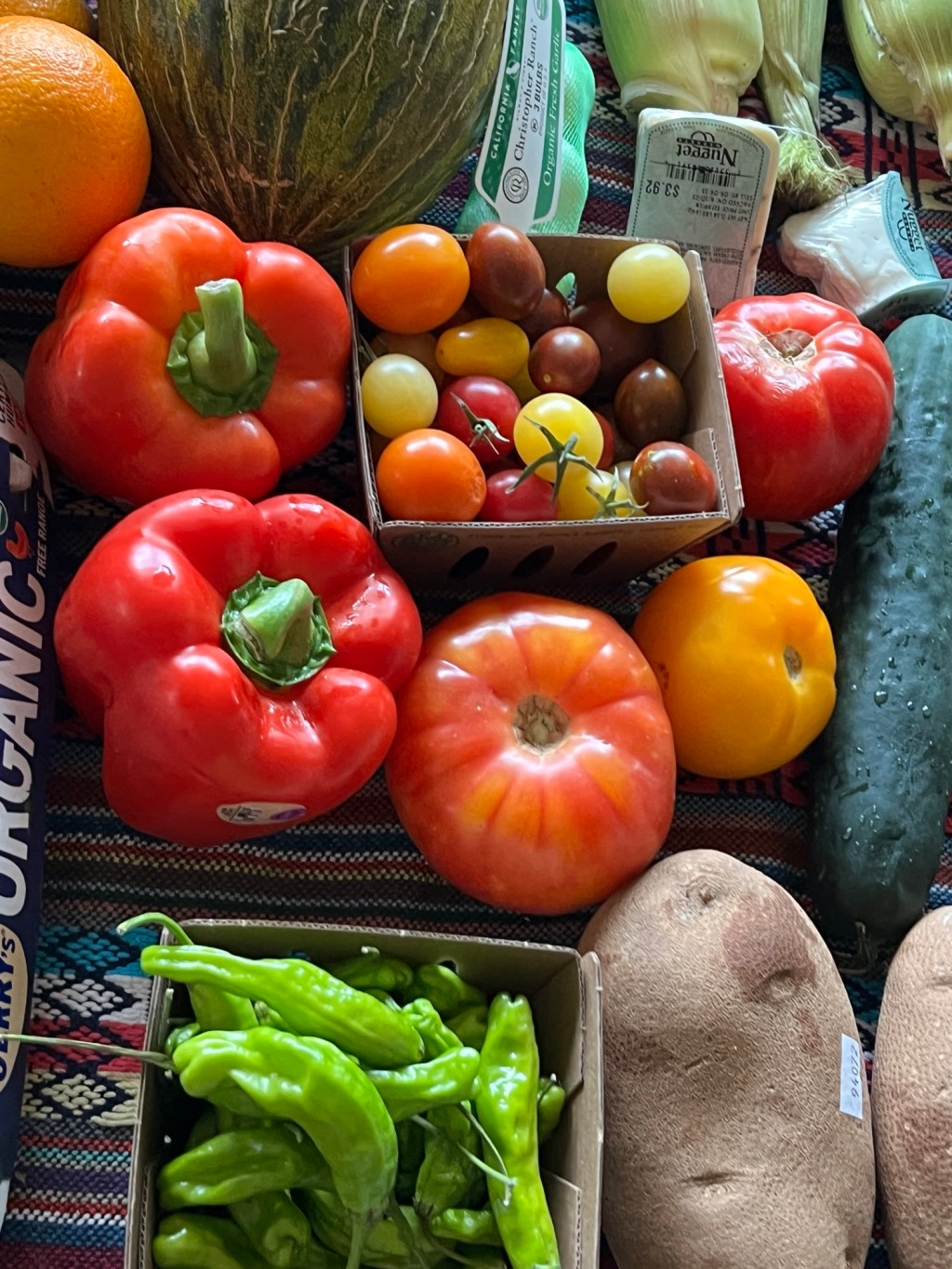
Additionally, when shopping, opt for fresh produce that is in season. Not only does seasonal produce taste better, but it also tends to be more affordable and has a lower environmental impact. By supporting local farmers and choosing seasonal ingredients, you can reduce the carbon footprint associated with your food and minimize waste.
- Proper Storage is Key:
Proper storage is essential for extending the shelf life of your food and preventing it from spoiling prematurely. Invest in high-quality storage containers, reusable bags, and airtight jars to keep your food fresh for longer periods. Learn about the best storage methods for different types of produce, and make sure to store items like fruits and vegetables separately to prevent them from ripening too quickly.
Additionally, consider freezing leftovers or excess ingredients that you won’t be able to use right away. Freezing is a great way to preserve food and prevent it from going to waste. Just be sure to label and date your items to avoid confusion and ensure that nothing gets forgotten in the back of the freezer.
- Get Creative with Leftovers:
Instead of letting leftovers languish in the fridge until they’re no longer edible, challenge yourself to get creative and find new ways to repurpose them into delicious meals. Leftover vegetables can be turned into soups, stir-fries, or frittatas, while stale bread can be transformed into croutons or breadcrumbs. By thinking outside the box and experimenting with different flavors and textures, you can breathe new life into leftover ingredients and minimize food waste in the process. - Embrace Composting:
Despite our best efforts, there will inevitably be times when food waste is unavoidable. Rather than throwing these scraps in the trash, consider starting a compost bin or pile in your backyard. Composting is a natural process that turns organic waste into nutrient-rich soil, which can then be used to nourish your garden or houseplants. Not only does composting help reduce the amount of waste sent to landfills, but it also closes the loop on the food cycle and promotes soil health. - Spread Awareness and Inspire Others:
Lastly, don’t underestimate the power of spreading awareness and inspiring others to join you in your low-waste journey. Share your experiences, tips, and recipes with friends, family, and coworkers, and encourage them to make small changes in their own lives. By leading by example and showing others that reducing food waste is not only easy but also rewarding, you can help create a ripple effect that has a positive impact on the planet.
Reducing food waste is a simple yet powerful way to embrace a low-waste lifestyle and make a positive difference in the world. By planning your meals, storing food properly, getting creative with leftovers, embracing composting, and spreading awareness, you can minimize waste and help create a more sustainable future for generations to come. So let’s come together this season and commit to making every bite count!

 5 Ways to Use — Zero Waste Kitchen & Home HUB
Leave a comment