If you’re passionate about reducing kitchen waste and living more sustainably, veggie scraps are a hidden treasure. Instead of tossing them out, consider how they can be transformed into useful, creative products. From household cleaners to natural dyes and even homemade yeast, here are five clever ways to repurpose common kitchen scraps.
1. Make Lemon and Citrus Cleaner Using Peels
Citrus peels, like lemon, orange, and grapefruit, are often discarded without a second thought. But did you know they can be the foundation of a powerful, all-natural cleaner? Citrus peels contain essential oils that have natural antimicrobial properties, making them an excellent base for a DIY cleaner.
How to Make a Citrus Cleaner:
- Collect your citrus peels (you can freeze them until you have enough).
- Fill a glass jar with the peels and cover them with white vinegar.
- Seal the jar and let the mixture sit for 2-4 weeks, shaking it occasionally.
- After steeping, strain the liquid and transfer it to a spray bottle.
- Dilute the cleaner with water (usually 1:1 ratio), and you’re ready to use your fresh-smelling, eco-friendly cleaner on surfaces around your home.
This solution is perfect for countertops, sinks, and other hard surfaces. Not only are you cutting down on waste, but you’re also avoiding the harmful chemicals found in many commercial cleaners.
2. Make Apple Pectin Using Apple Cores
If you’re a fan of homemade jams and jellies, apple pectin can become your best friend. Pectin is a natural gelling agent found in apples, and you can extract it from the cores you typically discard.
How to Make Apple Pectin:
- Save your apple cores (you’ll need about 10-12 for a small batch).
- Place them in a pot with enough water to just cover the cores.
- Bring the water to a boil, then simmer for 30-45 minutes until the mixture reduces.
- Strain the liquid through a cheesecloth or fine sieve, discarding the solids.
- Return the liquid to the stove and simmer again until it thickens.
- Once thickened, pour it into jars and store in the fridge or freezer for later use.
Now, the next time you’re making jam, you can skip the store-bought pectin and use this homemade version instead!
3. Create Yeast from Apple Cores for Bread Baking
Believe it or not, apple cores can also be used to make wild yeast for baking bread. The natural sugars in apple cores feed the wild yeast found in the air, creating a bubbly, fermenting starter that can be used to bake delicious bread at home.
How to Make a Wild Yeast Starter with Apple Cores:
- Take 3-4 apple cores and place them in a jar with water (enough to submerge the cores).
- Cover the jar with a cloth or paper towel secured with a rubber band to let air in while keeping dust out.
- Let the jar sit at room temperature for 4-7 days, stirring it once a day.
- After a few days, you should see bubbles forming, indicating fermentation. The liquid will also begin to smell slightly sour.
- Once bubbling, strain the liquid and mix it with equal parts flour and water to create your starter.
- Feed the starter daily with flour and water, and after about a week, it will be ready to use for bread baking.
Using a homemade yeast starter not only reduces waste but also enhances the flavor and texture of your bread.
4. Grate Veggie Scraps Into Waffle Batter for a Nutrient Boost
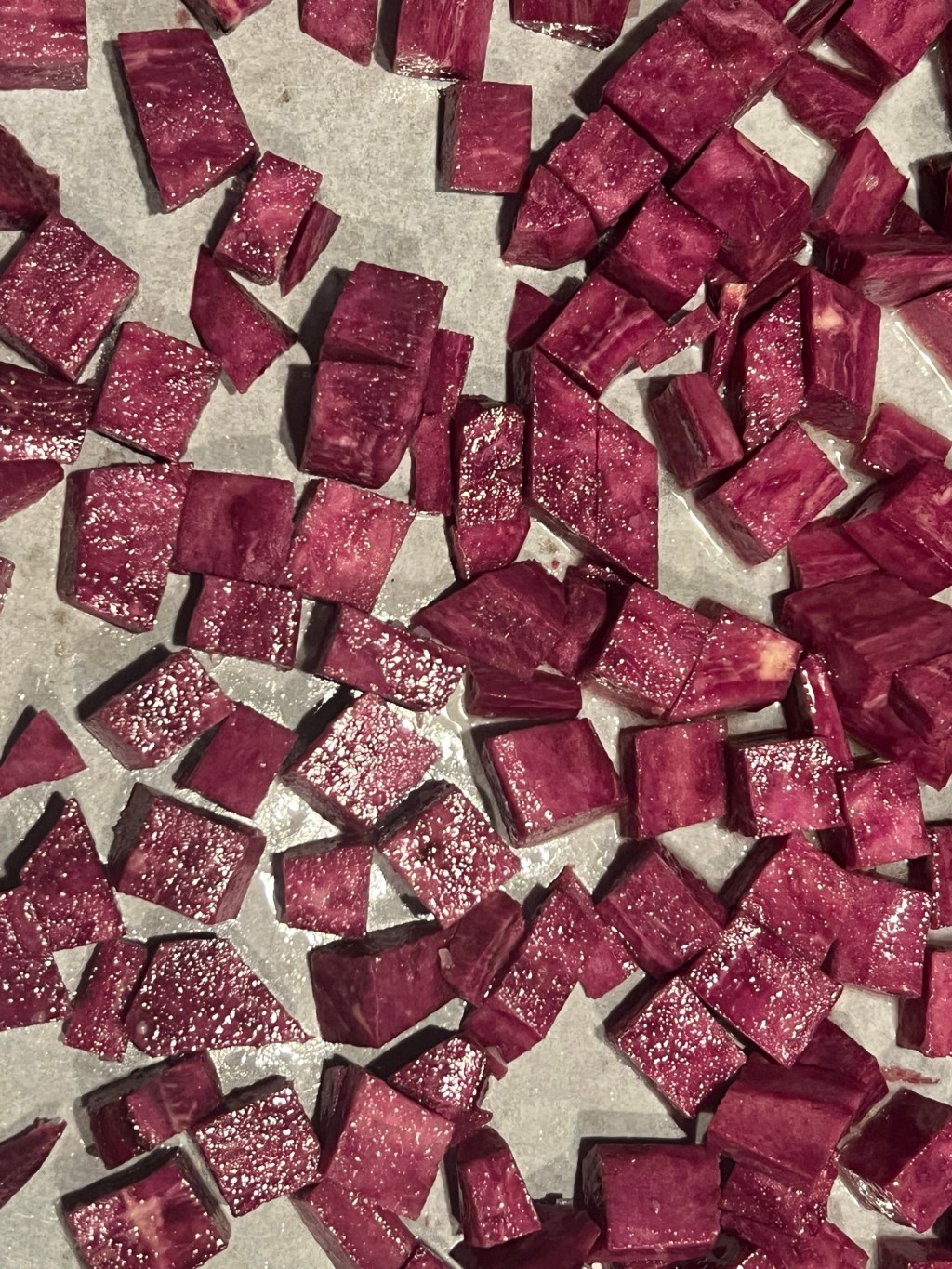
If you find yourself with extra bits of vegetables, like zucchini, carrots, or sweet potatoes, consider adding them to your waffle batter. Grated veggies bring moisture, texture, and nutrients to your waffles without altering the taste drastically.
Veggie-Packed Waffles Recipe:
- Ingredients:
- 1 cup of grated veggies (such as zucchini, carrots, or sweet potatoes)
- 1 ½ cups of flour (can be whole wheat or gluten-free)
- 1 tablespoon of sugar
- 1 teaspoon of baking powder
- 1 teaspoon of baking soda
- 1 cup of milk or plant-based milk
- 2 eggs
- ¼ cup of melted butter or oil
- Salt and pepper to taste
Instructions:
- In a bowl, whisk together flour, sugar, baking powder, and baking soda.
- In a separate bowl, mix the eggs, milk, and melted butter.
- Combine the wet and dry ingredients, then fold in the grated veggies.
- Season the batter with salt and pepper, then cook it in your waffle iron as usual.
Not only will you be reducing food waste, but you’ll also be sneaking some extra veggies into your diet. Plus, these waffles freeze well, making them a convenient breakfast option.
5. Make Natural Food Dye with Onion Skins
If you’ve ever peeled an onion and marveled at its deep, rich colors, you’re not alone. Onion skins are great for creating natural food dyes, especially for dying eggs, fabric, or even pasta. Both yellow and red onion skins work, providing different hues depending on the duration of the dye bath.
How to Make Onion Skin Dye:
- Collect a few handfuls of onion skins (yellow for golden tones, red for deep burgundy).
- Place the skins in a large pot and cover them with water.
- Bring to a boil, then simmer for 30-40 minutes.
- Strain the skins out, leaving you with a vibrant, natural dye.
You can use this dye for various projects—such as naturally coloring Easter eggs, tinting handmade paper, or adding subtle color to homemade pasta.
Bonus Recipe: Garlic Skin Soup Base
Believe it or not, garlic skins pack a punch when it comes to flavor. Instead of throwing them away, add them to your soup or broth for a deeper, richer taste.
How to Use Garlic Skins in Soup:
- Collect garlic skins in a jar or freezer bag.
- When making soup, add a handful of skins to your broth or stock.
- Let the broth simmer with the skins for an hour or more, then strain them out before serving.
The skins impart a subtle garlic flavor, making them an excellent addition to vegetable or bone broths.
By repurposing your veggie scraps in these ways, you can reduce kitchen waste, save money, and explore fun, new ways to make use of everyday ingredients. From cleaning solutions to tasty recipes and DIY projects, veggie scraps are more versatile than they seem. Give these tips a try and turn your kitchen into a zero-waste haven!

 5 Ways to Use — Zero Waste Kitchen & Home HUB
Leave a comment