Simple, Zero-Waste Tips to Save Money and Reduce Waste
If you’ve noticed your grocery bills creeping up and your cleaning cabinet overflowing with expensive products, you’re not alone. Kitchen expenses can add up fast. But with a little creativity and intention, it’s easy to cut costs while living more sustainably.
These five frugal tips are all about reusing what you already have, reducing waste, and rethinking daily habits—no coupon clipping required. Whether you’re a busy parent, a minimalist, or just someone looking to live lighter, these ideas can help you save money while transforming your kitchen into a more mindful, zero-waste space.
1. 🧼 Clean Your Whole Kitchen With Vinegar
Why buy five different cleaning sprays when one ingredient can do it all?
White vinegar is the unsung hero of frugal, non-toxic cleaning. A $3 bottle can last months and replaces:
Glass cleaner Counter sprays Microwave cleaner Cutting board disinfectant Fruit and veggie wash
How to Use:
Mix 1 part white vinegar to 1 part water in a spray bottle Add a few drops of essential oils (like lemon, lavender, or eucalyptus) to mask the vinegar scent
Use on countertops, stovetops, sinks, appliances, and glass
✨ Bonus: Vinegar can also clean your dishwasher, coffee maker, and refrigerator shelves. One ingredient = dozens of uses.
2. ✂️ Make Reusable Rags from Old Clothes or Baby Blankets
Paper towels are one of the sneakiest kitchen expenses. A few rolls a week adds up to $20–30/month—and all that waste heads straight to the landfill.
Instead, repurpose old t-shirts, baby blankets, or flannel PJs into cleaning rags. They’re absorbent, soft, and totally free.
How-To:
Cut into small squares (no sewing needed) Store in a jar or basket under the sink Toss in the laundry after use
Use these for wiping spills, drying dishes, wrapping herbs, or even covering dough while baking. Once you start using them, you’ll never go back to single-use.
🧺 Tip: Wash with baking soda and a splash of vinegar to naturally disinfect.
3. 🍽 Batch Cook + Freeze Scraps
We all know batch cooking saves time—but it also saves serious money.
Try this:
Make double batches of grains, beans, soups, or sauces Freeze extras in jars, trays, or silicone bags Label by date so nothing gets forgotten
Veggie peels, herb stems, onion skins, and even parmesan rinds can be frozen and used to make homemade vegetable broth or flavorful soup bases.
🧊 Tip: Freeze chopped herbs in ice cube trays with olive oil to make instant cooking cubes
4. 🍌 Repurpose Food Before It Goes Bad
The average household throws away up to $1,500 worth of food each year—mostly from not using things on time.
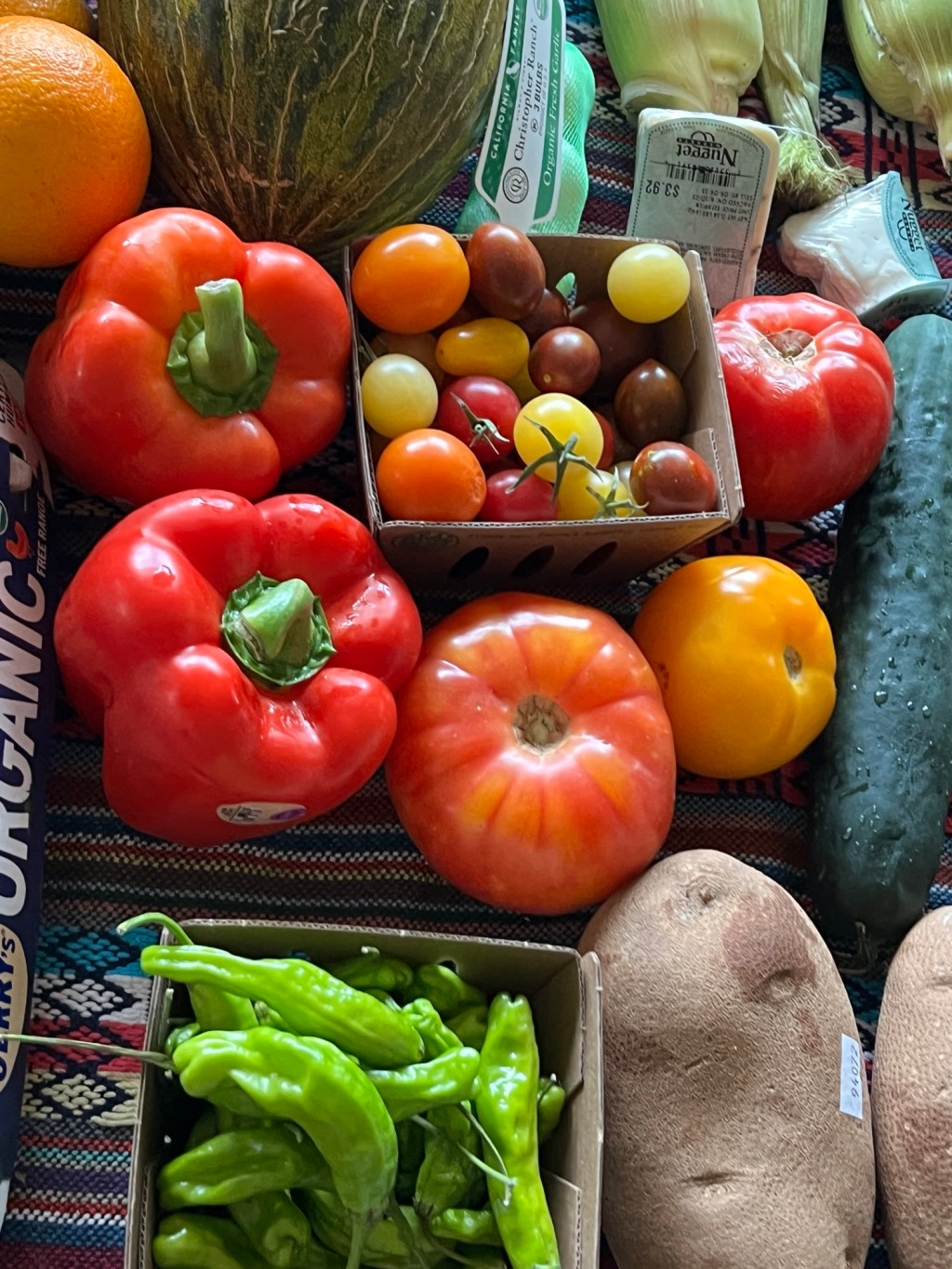
Cut waste by creating a “use me first” bin in your fridge or pantry. Add anything that’s nearing its date—overripe bananas, wrinkled tomatoes, half onions, etc.
Then try:
Banana peels → Compost or banana peel vinegar Stale bread → Homemade croutons or breadcrumbs Soft fruit → Smoothies, compote, or pancake topping Veggie scraps → Stir-fry or broth
This not only saves money, but also makes you more intentional about what’s in your kitchen.
5. 🧂 Refill Pantry Staples in Bulk Using Recycled Jars
Buying in bulk isn’t just for giant families. If you consistently use certain ingredients—like oats, rice, lentils, flour, or beans—you can save big by refilling from bulk bins.
How to Start:
Save and reuse jars from pasta sauce, baby food, or nut butters Peel off the labels and wash with hot water and vinegar Use them to store dry goods, snacks, and homemade mixes
🫙 Tip: Label jars with washi tape or chalk markers for an organized, Pinterest-worthy pantry.
You can also start a pantry swap with neighbors or friends—share bulk items, trade ingredients you’re not using, and build community in the process.
Frugal = Resourceful, Not Deprived
Living frugally in the kitchen doesn’t mean giving up flavor or comfort—it means being resourceful, creative, and intentional with what you already have.
From vinegar spray to repurposed rags, these small shifts can lead to big savings—and a more sustainable home. Try just one this week and see how it changes the way you cook, clean, and live.

 5 Ways to Use — Zero Waste Kitchen & Home HUB
Leave a comment