In the pursuit of holistic well-being, the choices we make in our daily lives extend beyond diet and exercise. Embracing a holistic lifestyle involves considering every facet of our environment, including the items we use regularly.
If you want to skip the text, scroll to the bottom for my top product recommendations for water filtration devices, shower filters, clean cookware, natural storage solutions, and glass containers.
Here are five essential items crucial for fostering a holistic and healthier way of living:
1. Water Filtration Devices: Nourishing from Within
Water is the essence of life, and the quality of the water we consume matters. Investing in a reliable water filtration device ensures access to clean, purified water, free from impurities and contaminants. Whether it’s a countertop filter or an under-sink system, these devices contribute significantly to your overall health by providing access to safe and clean drinking water.
Why should you avoid tap water?
Tap water and plastic water bottles are not good for your health and the longterm impacts must be considered. They both contain high levels of PFA (forever chemicals) and should be avoided if possible.
I wont go into grave detail about the health and safety of tap water or plastic. However, the Environmental Working Group has built a trusted database of water resources and ratings. This database will show you all the contaminants in your water supply and the potential cancerous hazards. Just plug in your zip code to see all the additives in your tap water. Thats what steered me far away from tap water.
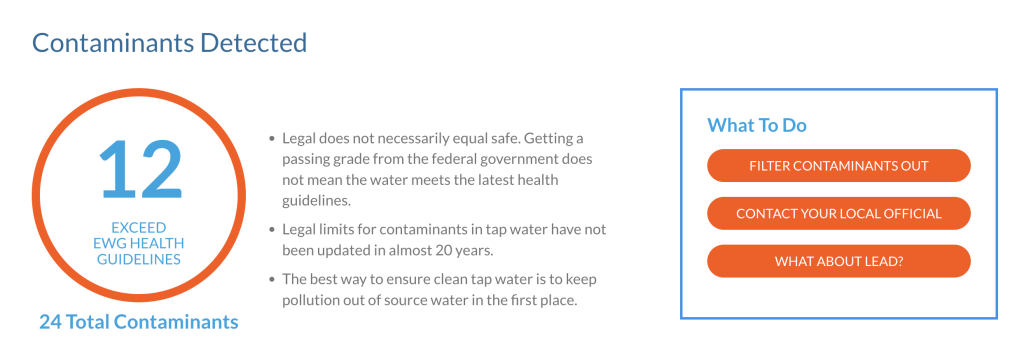
#1 Tip: Stay away from tap water and plastic water bottles
While water has been a contested topic in the health and wellness world, there are a few options to consider which are arguably better than tap water and plastic water bottles. It really comes down to your own personal preferences and budge
Remember to do your own research and feel out the best tool for you. Always think of the longterm investment, especially in a resource that can drastically impact your health. A $20-40 dollar water filter won’t do your water justice… while it may get rid of some impurities it will not get rid of all.. and it will not get rid of lead or fluoride… the main things you should avoid congesting on a daily basis.
3 Water Filtration Devices to Consider
Distilled Water: Removing Impurities Through Evaporation
How it Works:
- Distillation involves boiling water to create steam, then condensing that steam back into liquid form.
- During this process, impurities, minerals, and contaminants are left behind, resulting in purified water.
Benefits:
- Removes various contaminants, including heavy metals, bacteria, and some chemicals.
- Produces water with very low mineral content, potentially beneficial for certain medical and industrial applications.
- Offers a simple method for purifying water at home.
Considerations:
- Eliminates minerals that can be beneficial for health, potentially leading to a lack of essential minerals in the diet.
Reverse Osmosis (RO): Effective Filtration at Molecular Levels
How it Works:
- RO systems use a semi-permeable membrane to filter out impurities.
- Water is forced through the membrane, blocking molecules larger than water molecules, thus removing contaminants.
Benefits:
- Effective at removing a wide range of contaminants, including heavy metals, dissolved solids, and pathogens.
- Provides cleaner water by reducing impurities and improving taste and odor.
Considerations:
- Wastes some water during the filtration process.
- Removes minerals from water, potentially impacting taste and health benefits.
Kangen Water Machine: Alkaline Ionized Water System
How it Works:
- Kangen machines use an electrolysis process to separate water into alkaline and acidic components.
- This process claims to produce alkaline water with antioxidant properties due to ionization.
Benefits:
- Generates alkaline water, purported to have antioxidant properties and potential health benefits according to proponents.
- Offers different pH levels of water for various purposes, such as drinking or cleaning.
Considerations:
- Controversy exists regarding the claimed health benefits; scientific evidence supporting these claims is limited.
- Can be a costly investment compared to other filtration systems.
Choosing the Right System
Each water filtration method has its merits and considerations. Distillation and reverse osmosis are well-established methods for purifying water, removing contaminants, and producing clean water. However, they also eliminate beneficial minerals. Kangen machines claim to produce alkaline ionized water with health benefits, although these claims may not be universally accepted.
When selecting a water filtration system, it’s essential to consider the specific contaminants in your water, your health needs, and the taste preferences. Consulting with water quality experts or conducting a water analysis can aid in determining the most suitable filtration method for your circumstances.
2. Shower Filter: Revitalize Your Daily Ritual
Beyond drinking water, shower filters play a pivotal role in holistic health. They help remove chlorine, heavy metals, and other harmful substances from your shower water, reducing exposure to potential skin irritants. By installing a shower filter, you create a soothing bathing experience that nurtures your skin and hair.
For healthier skin, invest in a shower filter. Here are my shower filter recommendations:
3. Clean Cookware: Crafting Nourishing Meals
The cookware we use can impact the nutritional quality of our meals. Opting for non-toxic and eco-friendly cookware, such as stainless steel or ceramic, ensures that harmful chemicals aren’t leaching into our food. Embracing clean cookware promotes healthier cooking practices and elevates the nutritional value of the meals we prepare.
Stainless Steel Cookware: Durable and Versatile
Features:
- Durability: Stainless steel is robust, resistant to scratches, rust, and corrosion, making it long-lasting.
- Versatility: It works on various stovetops, including gas, electric, induction, and oven cooking.
- Non-Reactive: Unlike some other metals, stainless steel doesn’t react with acidic foods, preserving flavors.
Benefits:
- Easy Maintenance: Stainless steel is dishwasher-safe and generally easy to clean by hand.
- Even Heating: Quality stainless steel cookware often features layered construction for even heat distribution.
- No Leaching: Unlike non-stick coatings, stainless steel doesn’t leach chemicals into food.
Considerations:
- Stickiness: Without proper preheating or oil, food may stick to stainless steel surfaces.
- Cost: High-quality stainless steel cookware can be relatively expensive.
Ceramic Cookware: Safe and Non-Toxic
Features:
- Non-Toxic: Ceramic coatings are free of PTFE and PFOA, making them safe for cooking.
- Non-Stick Properties: Quality ceramic coatings offer non-stick surfaces for easy food release.
- Even Heating: Ceramic distributes heat evenly, preventing hot spots and ensuring uniform cooking.
Benefits:
- Easy Cleaning: Ceramic surfaces are generally easy to clean with mild detergent and soft cloths.
- Colorful Options: Ceramic cookware comes in a variety of vibrant colors and designs.
Considerations:
- Fragility: Some ceramic coatings may chip or scratch easily if not handled with care.
- Limited Durability: Lower-quality ceramic coatings may wear off over time, reducing their non-stick properties.
Cast Iron Cookware: Timeless and Retains Heat Well
Features:
- Durability: Cast iron cookware is incredibly durable and can last for generations with proper care.
- Heat Retention: It retains heat well, ensuring food stays warm for longer after cooking.
- Versatility: It can be used on stovetops, in ovens, and even on grills or campfires.
Benefits:
- Natural Non-Stick: With seasoning, cast iron develops a natural non-stick surface.
- Adds Iron to Food: Cooking in cast iron can increase the iron content in certain foods.
Considerations:
- Maintenance: Cast iron requires seasoning and proper drying to prevent rusting.
- Weight: Cast iron cookware is heavy, which may not be ideal for all users.
Choosing Your Cookware
Each type of cookware has its strengths and considerations. Stainless steel offers durability and versatility, ceramic provides a non-toxic non-stick option, while cast iron presents a timeless, durable, and naturally non-stick choice. Consider your cooking style, maintenance preferences, and cooking needs when selecting the best cookware for your kitchen.
Cookware Recommedations:
4. Glass Over Plastic Containers: Safe and Sustainable Storage
Transitioning from plastic containers to glass alternatives minimizes exposure to harmful chemicals like BPA and phthalates. Glass containers offer a safer and more sustainable option for storing food, eliminating concerns about potential chemical leaching and contributing to a healthier lifestyle and environment.
Most plastic has PUFA forever chemicals. These also leach into your food and slowly build up in your system overtime. A simple switch is just to invest in glass jars and containers. These can also be found secondhand or on Amazon for cheap.
5. Wicker Baskets: Embracing Natural Storage Solutions
Beyond functional storage, wicker baskets contribute to a holistic living environment. They offer an organic and aesthetically pleasing way to store items, reducing reliance on synthetic materials and promoting an eco-friendly approach to home organization. Wicker baskets add a touch of natural beauty while maintaining an orderly space.
Holistic Living Made Simple
By integrating these essential items into your daily life, you’re not just enhancing your immediate surroundings; you’re fostering a holistic environment conducive to your overall well-being. Prioritizing clean water, safe food storage, mindful bathing, and eco-friendly choices in everyday essentials aligns with the principles of holistic health, offering a path to a more vibrant and balanced lifestyle.
 5 Ways to Use — Zero Waste Kitchen & Home HUB