If you’ve ever found a trail of ants marching through your kitchen, bathroom, or windowsill, you know how frustrating it can be. While commercial ant killers work, many contain toxic chemicals that can harm your family, pets, and the environment. Fortunately, there are natural, non-toxic ways to repel ants that are just as effective—without compromising your health.
In this post, we’ll explore five natural ways to get rid of ants using ingredients you likely already have at home. These DIY remedies are safe, eco-friendly, and surprisingly powerful.
Table of Contents
- Use White Vinegar Spray
- Sprinkle Cinnamon at Entry Points
- Create a Lemon Juice Barrier
- Diatomaceous Earth (Food Grade)
- Essential Oils That Ants Hate
- Final Tips for Ant Prevention
1. Use White Vinegar Spray
Ants navigate by scent trails. White vinegar disrupts these trails, confusing ants and preventing them from returning to the same location.
How to Use:
- Mix equal parts white vinegar and water in a spray bottle.
- Add a few drops of dish soap to enhance its power.
- Spray along baseboards, countertops, entryways, and ant trails.
Why It Works:
The acetic acid in vinegar masks the scent trails that ants use to communicate. Plus, the strong smell repels them immediately.
Pro Tip: Use this spray daily during an infestation and once a week afterward for prevention.
2. Sprinkle Cinnamon at Entry Points
Cinnamon isn’t just for baking—it’s a powerful ant deterrent. Ants hate its strong smell and won’t cross a line of it.
How to Use:
- Identify areas where ants are entering your home.
- Sprinkle ground cinnamon directly along the baseboards, windows, or doorways.
- Alternatively, dip a cotton ball in cinnamon essential oil and wipe along affected areas.
Why It Works:
The strong scent of cinnamon interferes with ants’ sensory perception, deterring them from crossing into your home.
Pro Tip: For added power, combine cinnamon with clove or peppermint essential oils.
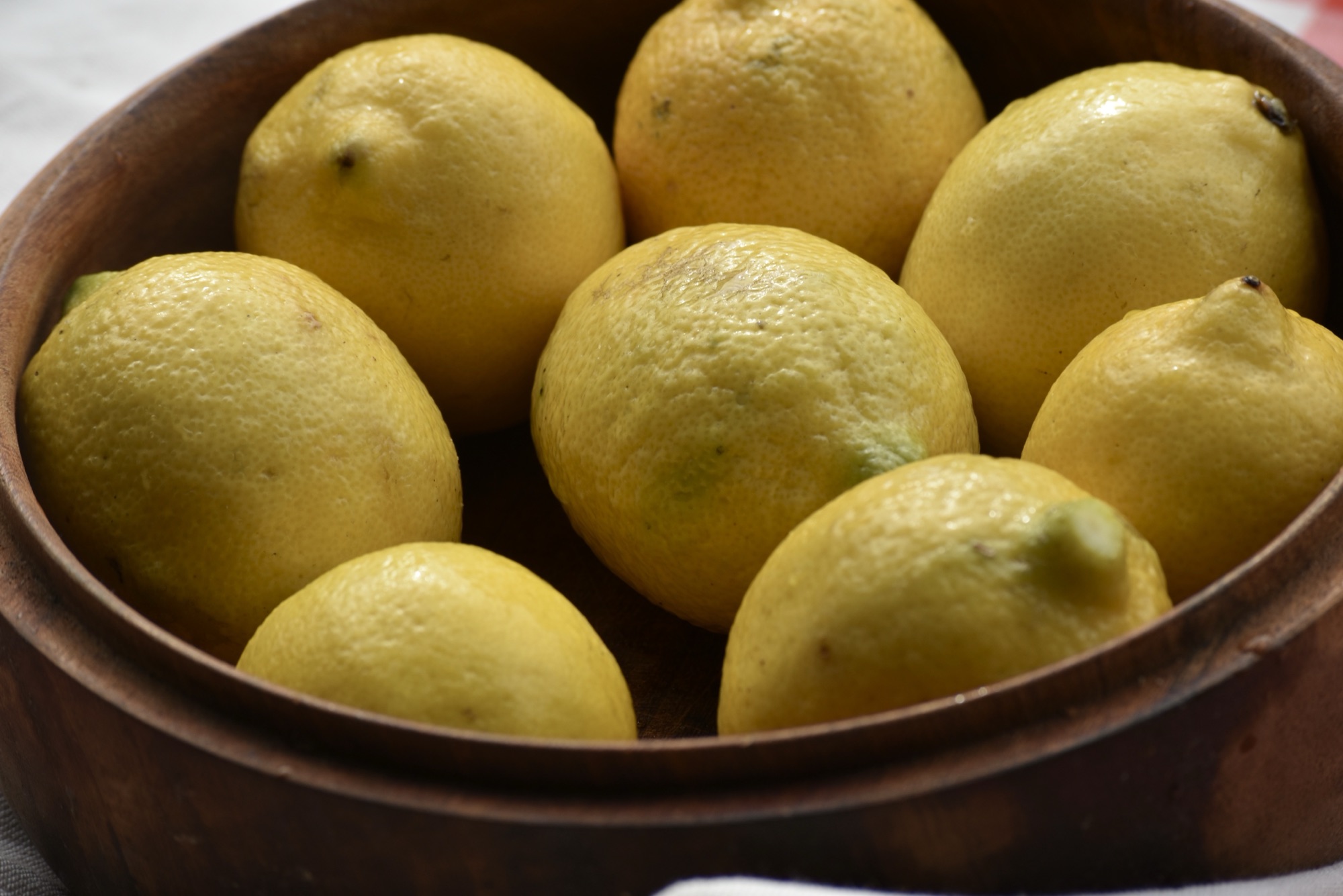
3. Create a Lemon Juice Barrier
Lemon juice works similarly to vinegar by disrupting scent trails and leaving a residue ants avoid.
How to Use:
- Squeeze fresh lemon juice and mix with water in a 1:1 ratio.
- Wipe down surfaces, entryways, or floors with the solution.
- Leave lemon peels near entry points for an added boost.
Why It Works:
The citric acid in lemons eliminates scent trails and deters ants with its acidic and aromatic properties.
Pro Tip: Don’t use lemon juice on natural stone (like marble or granite) as the acid can damage it.
4. Diatomaceous Earth (Food Grade)
Diatomaceous earth (DE) is a naturally occurring powder made from fossilized algae. It’s safe for humans and pets but deadly to ants.
How to Use:
- Choose food-grade DE (not pool-grade).
- Lightly dust it around windowsills, doorways, and baseboards.
- Reapply after cleaning or rain.
Why It Works:
DE works by dehydrating ants—its microscopic particles damage their exoskeleton, leading to death by drying out.
Pro Tip: Wear a mask when applying DE to avoid inhaling fine dust.
5. Essential Oils That Ants Hate
Many essential oils act as natural ant repellents and make your home smell amazing at the same time.
Best Essential Oils for Repelling Ants:
- Peppermint Oil: Strong and cooling, it overwhelms ants’ senses.
- Tea Tree Oil: Antifungal and antimicrobial, and deters ants.
- Clove Oil: Acts as a natural insecticide.
How to Use:
- Add 10–15 drops of essential oil to a spray bottle with water and a few drops of dish soap.
- Spray around doorways, windows, corners, and anywhere ants are present.
- Refresh daily or as needed.
Why It Works:
Essential oils contain compounds that are toxic or repulsive to ants but harmless to humans when used properly.
Pro Tip: You can also soak cotton balls in oil and place them in cabinets or under the sink.
Final Tips for Ant Prevention
Natural ant repellents are a great way to handle small invasions, but the key to long-term ant control is prevention. Here’s how to keep ants out for good:
✅ Keep Your Kitchen Clean
Ants are always on the hunt for food. Wipe down countertops, sweep crumbs, and store food in airtight containers.
✅ Seal Cracks and Entry Points
Use caulk to seal up cracks around windows, doors, and foundations. Ants are tiny and can sneak through the smallest gaps.
✅ Take Out Trash Daily
Don’t leave garbage or food waste out overnight. Ants can smell decaying food from afar.
✅ Dry Up Moisture
Ants also need water. Fix leaky pipes, avoid leaving wet towels or dishes out, and reduce standing water in and around your home.
You don’t need harsh chemicals to keep ants at bay. With simple household ingredients like vinegar, cinnamon, lemon, and essential oils, you can tackle infestations naturally and safely. These 5 natural ant repellents are cost-effective, eco-friendly, and easy to use—perfect for conscious homes that value health and sustainability.
Next time you see an ant trail forming, try one of these remedies and say goodbye to unwanted guests—naturally.


Leave a Reply